Wednesday, 8 January 2025

Plagiarism


Plagiarism and Academic Integrity


Hello everyone.....

This blog is based on the thinking activity , assigned by Prakruti Bhatt ma'am. In this blog I'm going to discuss my views on plagiarism and the academic integrity. Plagiarism and academic integrity are critical aspects of scholarly work that uphold the value of originality and honesty in education. In the academic world, the integrity of research, writing, and ideas is fundamental to the creation of new knowledge. However, when individuals fail to properly attribute the work of others or misrepresent their own contributions, it undermines the trust that the academic community is built upon. This blog will delve into the concept of plagiarism, exploring its various forms and the ethical challenges it presents in academic and professional environments. Furthermore, it will emphasize the importance of academic integrity and provide strategies to avoid plagiarism, ensuring that scholars and students alike can engage in honest, responsible, and ethical research practices.


Definition of Plagiarism

According to the Oxford English Dictionary, plagiarism is "the practice of taking someone else’s work or ideas and passing them off as one’s own." In simpler terms, it involves using another individual’s intellectual property—be it words, ideas, or creations—without proper acknowledgment. Plagiarism can occur intentionally or unintentionally, but both forms are equally problematic.

Plagiarism is the act of using someone else's intellectual property—whether it's ideas, words, artistic creations, or data—without giving them proper acknowledgment or credit. It is essentially a form of theft, as it involves taking credit for another person's work, whether intentionally or unintentionally. One critical aspect of plagiarism is its relation to intellectual property, which includes ideas, written content, images, music, or any creative work originating from someone else. When such content is used without proper citation, it becomes an ethical violation.

Moreover, plagiarism encompasses both intentional and unintentional acts. While deliberate plagiarism involves copying content verbatim or claiming another's work as one's own, accidental plagiarism can result from a lack of understanding about citation practices or unintentional replication of someone else's ideas. Recognizing these distinctions is vital to avoiding plagiarism and maintaining academic integrity.

Forms of Plagiarism


Plagiarism manifests in various forms, each with its own nuances. These include direct plagiarism, which involves copying someone’s work word-for-word without citation, and self-plagiarism, where one reuses their own previous work without acknowledgment. Mosaic plagiarism, or patchwriting, occurs when phrases or ideas from multiple sources are combined without proper credit, while accidental plagiarism results from neglecting to cite sources correctly or unintentionally using similar phrasing to the original work. Source-based plagiarism includes misrepresenting or misquoting sources, while global plagiarism involves submitting an entire work created by someone else as one’s own. Each form poses ethical challenges and can lead to severe consequences if not addressed properly.

Direct Plagiarism Direct plagiarism is the most straightforward and severe form of plagiarism. It involves copying an author’s exact words, ideas, or research findings without any changes, citation, or acknowledgment. This may include copying passages from books, articles, websites, or even from other students’ work and submitting them as one's own. This type of plagiarism is essentially theft of intellectual property and is considered academically dishonest. It undermines the basic principles of originality and personal contribution in academic and professional settings. The consequences of direct plagiarism are often the most severe, including academic penalties, failing grades, suspension, or even expulsion, depending on the institution's policies. It can also result in legal consequences if the work is copyrighted. Therefore, it is critical to always give proper credit through citations when using someone else’s exact words.

Self-Plagiarism Self-plagiarism, though it may not always seem as egregious as other forms of plagiarism, still undermines the principles of academic integrity. It occurs when an individual reuses their previous work, in part or entirely, without proper acknowledgment or permission. This is particularly common in academic settings when students submit the same paper or sections of a paper for different courses or assignments. In research, it can involve republishing one’s old work as new findings without referencing the original publication. Self-plagiarism deceives evaluators into thinking that the individual is producing new work when, in fact, they are simply reusing past content. It distorts the notion of progress in research and writing. In most academic institutions, self-plagiarism is frowned upon and is usually subject to penalties, as it violates the principle of producing original work for each assignment.

Mosaic Plagiarism (Patchwriting) Mosaic plagiarism, also known as patchwriting, happens when a writer takes phrases or passages from various sources and reassembles them into their own work without adequate citation. Although the plagiarist might attempt to paraphrase or reword the original text, they fail to offer the necessary citations or credit. The result is a mosaic of borrowed text disguised as original writing. This form of plagiarism often stems from a lack of understanding of how to paraphrase correctly or an attempt to avoid direct quotation. The writer might still use many of the original ideas or structures of the original texts without acknowledging the source. Mosaic plagiarism can be difficult to spot because it often appears as if the work is an original synthesis of ideas, but upon closer inspection, the work will contain parts that are not adequately attributed. The consequences of mosaic plagiarism include academic sanctions and damage to one’s reputation as a scholar or professional.

Accidental Plagiarism Accidental plagiarism occurs when a writer unintentionally plagiarised because of a lack of awareness or understanding of proper citation methods. This form can happen in a variety of ways: failure to cite sources, forgetting to put quotations around direct quotes, or incorrect paraphrasing. For instance, a student might paraphrase a source but fail to cite it, believing that it is sufficiently rewritten. Alternatively, they might forget to cite a piece of information they used for reference or accidentally use another person's phrase without recognizing it as direct borrowing. While accidental plagiarism is unintentional, it still constitutes a breach of academic integrity and can lead to penalties. Institutions often take a more lenient approach to accidental plagiarism, especially if it is the result of a misunderstanding, but it still highlights the importance of educating students and professionals about citation practices.

Source-Based Plagiarism Source-based plagiarism occurs when an individual misrepresents their sources or uses sources incorrectly. This includes citing a source that was never consulted, using a secondary source but attributing it as a primary one, or fabricating sources altogether. It can also involve selectively quoting a source to support an argument without reflecting the true meaning of the source. For example, a researcher may find a study and cite its conclusion while ignoring the methods or findings that contradict their argument. Source-based plagiarism is particularly problematic in academic and research settings because it compromises the integrity of the scholarly process, leading to the spread of false or misleading information. It often involves deliberate misrepresentation or willful ignorance of proper citation procedures. The repercussions for source-based plagiarism can be severe, especially in research environments, where credibility and trust are paramount.

Paraphrasing Plagiarism Paraphrasing plagiarism occurs when someone rewords another author’s ideas without proper attribution. While paraphrasing involves rephrasing the original text, the idea or argument remains the same. Paraphrasing allows the writer to present information in a new format or style, but failing to credit the original author is considered plagiarism. This can happen when a person does not properly cite the source or when they paraphrase too closely, thereby preserving the structure and key phrases of the original text. Unlike direct plagiarism, which involves copying exact text, paraphrasing plagiarism involves using someone else’s intellectual ideas but pretending they are original. This is often an issue in academic settings, where students are expected to paraphrase information but sometimes do so in a way that still closely resembles the original. To avoid paraphrasing plagiarism, it is crucial to always cite the original source and ensure the paraphrasing is sufficiently distinct from the original text.

Collusion Collusion occurs when two or more people collaborate on academic work in an unauthorized manner, sharing or submitting the same material as individual contributions. This includes allowing another person to copy one's work, sharing research findings without disclosure, or working together on an assignment that is meant to be done independently. Although collaboration is often encouraged in academic and professional environments, it becomes plagiarism when it violates the rules of a specific assignment or institution. Collusion undermines the integrity of the individual’s work by misrepresenting their independent effort. It can lead to consequences such as failing grades for all parties involved, especially if the collusion is discovered through academic monitoring systems or instructors' suspicions. Institutions generally have clear guidelines on collaboration and teamwork to ensure fairness in academic settings.

Global Plagiarism Global plagiarism is one of the most severe forms of plagiarism, involving the submission of an entire work created by someone else. This may include purchasing a paper online, hiring someone to write an essay or research paper, or submitting a paper written by another student. In this form of plagiarism, the plagiarist makes no attempt to modify or even present the work as their own; they simply take someone else’s work and claim authorship. This form of plagiarism undermines academic standards completely and is treated very seriously by academic institutions. In many cases, global plagiarism can result in expulsion or legal action, particularly if the plagiarized work is not only discovered but is found to have been purchased or fraudulently presented.

Misrepresentation of Authorship Misrepresentation of authorship involves claiming credit for a piece of work that was not created by the person asserting authorship. This may include presenting someone else’s work as one’s own or failing to credit individuals who contributed to the work. It can also involve ghostwriting, where a person hires another to write on their behalf, but claims sole authorship. Misrepresentation of authorship is an unethical practice that distorts the true nature of academic, professional, or creative contributions. In academic settings, it can cause serious damage to a person’s reputation and credibility, as well as lead to legal consequences if the misrepresentation extends to published works.

Fabrication and Falsification Fabrication and falsification are particularly serious forms of plagiarism, particularly in research contexts. Fabrication refers to making up data, results, or information that was never collected or observed, while falsification involves altering or manipulating data to present false findings. This could include changing research results to fit a desired conclusion, misreporting experimental procedures, or inventing citations. Fabrication and falsification are not only unethical but can lead to misleading conclusions in research that affect other scholars, industries, or public policy. The penalties for fabrication and falsification are severe and can include academic expulsion, loss of credibility, and even legal action. This form of plagiarism also undermines the trust and validity of the entire field of research.

Consequences of Plagiarism Plagiarism can have serious repercussions, including:

  • Academic penalties such as failing grades or expulsion.

  • Professional consequences like damaged reputation and job loss.

  • Legal implications, including lawsuits for copyright infringement.

How to Avoid Plagiarism:


1. Cite Sources Properly Proper citation is one of the most effective ways to avoid plagiarism and give credit to the original authors. It’s essential to use the appropriate citation style required for your academic field or publication, such as MLA (Modern Language Association), APA (American Psychological Association), or Chicago style. Each style has its own guidelines for how to format in-text citations and bibliographies, and it is important to familiarize yourself with these rules. Whether you’re quoting directly from a source or paraphrasing it, citing it correctly allows you to acknowledge the intellectual contributions of others and avoid taking credit for someone else's work. Proper citation also enables readers to trace the original sources, adding credibility to your work. For instance, in MLA style, direct quotes and paraphrased content must be followed by parenthetical citations with the author's last name and page number, while in APA, the year of publication is also included. By adhering to citation guidelines, you can demonstrate academic integrity and avoid the pitfalls of plagiarism.

Paraphrase Correctly Paraphrasing involves restating someone else's ideas in your own words while maintaining the original meaning. It’s a valuable tool for integrating sources into your work without over-relying on direct quotations. However, paraphrasing still requires proper citation, as the ideas and concepts remain the intellectual property of the original author. When paraphrasing, ensure that you are not merely changing a few words or sentence structures; rather, aim to express the idea in a completely new form while staying true to the intent of the original text. This approach not only helps you avoid plagiarism but also demonstrates your understanding of the material. For example, if an article argues that “climate change is accelerating,” you might paraphrase it as “the rate of climate change is increasing at an alarming pace.” Even though the wording is different, the idea remains the same and must be cited. Remember, the goal of paraphrasing is to show your grasp of the subject matter, but it still requires a proper citation to credit the source of the idea.

Use Plagiarism Detection Tools Technology can be a valuable aid in ensuring your work is free from plagiarism, particularly when dealing with large amounts of information. Tools such as Turnitin, Grammarly, or Copyscape scan your text for similarities to a database of academic papers, articles, websites, and other written content. These tools highlight any text that may be too similar to existing sources, helping you identify areas where you may have inadvertently plagiarized or failed to cite appropriately. Plagiarism detection software not only helps catch unintentional plagiarism but also allows you to make revisions before submission. However, it’s important to note that while these tools are useful, they are not foolproof. Some tools may not detect paraphrasing or may flag common phrases or terminology that are not considered plagiarism. Therefore, plagiarism detection should be seen as a safety net, not a replacement for diligent citation practices and original work.

Maintain Detailed Notes Keeping detailed and organized notes during your research process is crucial for avoiding plagiarism. When gathering information from various sources, always record the full bibliographic details of each source, including the author’s name, title of the work, publication date, and page numbers. This will make it much easier to cite sources accurately when you write your paper. Additionally, be sure to distinguish between your own thoughts and ideas and those you’ve gathered from external sources. One helpful strategy is to use different color codes or symbols to mark paraphrased or quoted material versus your analysis. This way, you can more easily reference your sources later on and ensure that every borrowed idea is appropriately cited. Well-organized notes also help you avoid accidental plagiarism by ensuring that you do not confuse which ideas came from which sources.

Understand Copyright Laws Understanding copyright laws and intellectual property rights is essential for avoiding inadvertent plagiarism, especially as digital content becomes more accessible. Copyright laws protect the creative work of individuals and organizations, granting them exclusive rights to their work, such as books, music, art, and even websites. Violating these rights by using someone’s work without permission or proper acknowledgment can result in legal consequences. It's essential to be aware of the limitations and allowances under copyright law. For example, the concept of "fair use" allows for limited use of copyrighted materials for purposes such as commentary, criticism, research, and teaching, but this still requires proper citation. Additionally, in academic work, it’s important to distinguish between what is considered common knowledge—information that is widely known and doesn’t need citation—and what is protected by copyright. To avoid ethical violations, familiarize yourself with the principles of fair use, the limits of copyright, and the rules for reproducing copyrighted material in your own work.

Plagiarism is a violation of ethical standards that affects the credibility of individuals and institutions alike. By understanding its various forms and adhering to best practices, one can uphold academic integrity and foster a culture of originality and respect for intellectual property.

why is Academic Integrity necessary?

Academic integrity is crucial in maintaining the credibility and trustworthiness of the academic community. When students, researchers, and scholars adhere to principles of honesty and fairness, it ensures that the work being produced is genuine and reliable. Without academic integrity, the validity of research, ideas, and arguments would be compromised, leading to a breakdown of trust in academic institutions and publications. This trust is essential for the progress of knowledge, as it allows for open exchange and constructive debate in a transparent environment.

Integrity in academia also encourages the development of original thought and creativity. When scholars and students are expected to produce their own work, it motivates them to engage deeply with the material, analyze it critically, and contribute their unique perspectives. Plagiarism or cheating undermines this process by promoting dependence on the ideas of others, rather than fostering independent thinking. In a system that values academic integrity, the emphasis on originality encourages innovation and the continuous expansion of knowledge across disciplines.

Furthermore, academic integrity is rooted in ethics, ensuring that individuals respect the intellectual property of others. Giving proper credit for the work of others through citations is not only a legal obligation but also a moral one. It reinforces values of fairness and respect in the academic community, preventing the exploitation of other people's ideas or research. By adhering to these ethical standards, scholars uphold the academic mission of discovering and disseminating truth while contributing to an environment of mutual respect and collaboration.

Another key reason academic integrity is necessary is to prevent misconduct and deception in research and academic practices. Falsifying data, misrepresenting sources, or engaging in fraudulent practices can have serious consequences, both personally and for the wider academic field. It can damage reputations, mislead others, and even result in harmful policy decisions if based on flawed or dishonest research. Ensuring academic integrity acts as a safeguard against these forms of misconduct, promoting transparency and honesty in the academic process.

Lastly, academic integrity fosters personal responsibility and growth. By taking ownership of their own learning and work, students and scholars develop essential skills such as critical thinking, problem-solving, and ethical decision-making. These qualities not only benefit them in their academic careers but also in their future professional lives. Upholding academic integrity ensures that individuals can take pride in their work and maintain their commitment to intellectual growth and ethical conduct throughout their careers.

In conclusion, plagiarism is a serious violation of academic integrity that can lead to both ethical and legal consequences. Whether intentional or unintentional, plagiarism undermines the principles of honesty, originality, and respect for intellectual property. Understanding the various forms of plagiarism and how to avoid them—such as through proper citation, paraphrasing, and using plagiarism detection tools—can help maintain academic integrity and foster a culture of responsible scholarship. Furthermore, by adhering to the ethical guidelines surrounding plagiarism, individuals can protect their own work while respecting the contributions of others, ensuring that their academic and professional endeavors remain credible and trustworthy.

Monday, 6 January 2025

Words of the year 2024

 Brain Rot and Manifest


Hello everyone, 

This blog is based on Sunday reading task assigned by dilip sir barad in 2024. For critically angane students with the world wide vocabulary and for better understanding. In this blog I'm going to discuss two words and their cultural and societal dynamics. 


Meaning of the word: "BRAINROT" 

The Oxford Word of the Year 2024, "Brain Rot," refers to a state of mental or cognitive decline, often caused by overexposure to trivial or harmful content, particularly from social media, digital platforms, or repetitive, mindless activities.


Meaning of the word: "MANIFEST" 

According to the Cambridge Word of the Year 2024, "Manifest" refers to the practice of visualizing and imagining the achievement of goals, with the belief that this can increase the likelihood of their realization. Rooted in a century-old spiritual philosophy, this concept has gained popularity within the self-help culture, encouraging individuals to articulate their intentions and desires. Despite being associated with pseudoscience, it highlights a broader societal trend where people strive to create purposeful lives through positive thinking and goal-setting.


Cultural and societal dynamics: 

The Oxford Word of the Year 2024, "Brain Rot," reflects widespread concerns about the effects of excessive digital consumption on modern life. It critiques overindulgence in trivial online content, highlighting its impact on creativity, intellectual growth, and mental health. Humorously acknowledging voluntary yet unproductive online habits, the term has become a cultural touchpoint, influencing memes, art, and discussions about technology's role in society. It also raises pressing societal issues such as mental well-being, educational challenges, and the ethics of attention-driven capitalism, calling for healthier, more meaningful digital engagement.

Meanwhile, the Cambridge Word of the Year 2024, "Manifest," resonates with humanity's quest for purpose and clarity in an increasingly complex world. Culturally, it underscores the appeal of self-help philosophies and intentional visualization, encouraging individuals to shape their realities with focus and determination. On a societal scale, it symbolizes the collective demand for transparency and progress. By inspiring individuals, organizations, and governments to align actions with clearly defined goals, "Manifest" reflects an enduring aspiration to bridge the gap between ideals and tangible outcomes. Both terms provide insights into evolving cultural and social dynamics.


Personal Implementation: 

The term "Brain Rot" reflects the increasing dependence on digital technology and its effects on mental health. For example, studies have highlighted how excessive use of platforms like TikTok or Instagram contributes to reduced attention spans, anxiety, and sleep deprivation, particularly among teenagers. Movements promoting "digital detox" retreats and initiatives in countries like Japan and the U.S. address this issue, encouraging people to disconnect and engage in mindfulness activities.

The concept of "Manifest" resonates with self-help movements, such as the widespread popularity of the book The Secret by Rhonda Byrne. Communities across continents embrace manifestation practices, from vision boards to affirmation routines, believing these methods help achieve personal or professional goals. The rise of mindfulness apps and coaching programs has further globalized the idea of actively visualizing and working toward aspirations.


Conclusion:

The Oxford and Cambridge Words of the Year 2024, "Brain Rot" and "Manifest," encapsulate contrasting yet interconnected aspects of contemporary life. While "Brain Rot" serves as a cautionary reflection on the negative consequences of digital overconsumption, "Manifest" highlights humanity's enduring pursuit of purpose, clarity, and progress. Both terms emphasize the importance of balance—acknowledging the pitfalls of modern technology while embracing the potential of focused intention to shape meaningful lives. As society navigates the challenges of the digital age, these words remind us of the need to prioritize mental well-being, intentional living, and mindful engagement with the world around us.


Wednesday, 27 November 2024

Marginalization in Shakespeare’s Hamlet and Stoppard’s Rosencrantz and Guildenstern Are Dead

 Marginalization in Shakespeare’s Hamlet and 

Stoppard’s Rosencrantz and Guildenstern Are Dead

Hello Everyone...

This blog post is part of thinking activity on Cultural Studies, Exploring Marginalization in Shakespeare’s Hamlet and Stoppard’s Rosencrantz and Guildenstern Are Dead given by Dilip Barad sir.


Teacher's Worksheet

Marginalization

In Hamlet, Rosencrantz and Guildenstern are secondary characters who hold little power or significance on their own. Though they are childhood friends of Hamlet, they are ultimately manipulated by King Claudius, who uses them to spy on Hamlet. This reduces them to mere instruments of the king's will, rather than characters with their own independent roles. When Hamlet refers to Rosencrantz as a "sponge," he implies that Rosencrantz absorbs whatever instructions the king gives him, much like a sponge absorbs water. This metaphor highlights that Rosencrantz follow Claudius’s orders without question or independent thought. Hamlet suggests that once Claudius no longer needs them, he will simply "squeeze" them out and discard them, emphasizing their expendability. This illustrates the cutthroat, self-serving nature of the power dynamics within the court, where loyalty has little value, and individuals are treated as disposable once they’ve outlived their usefulness.

Existential Questions in Stoppard’s Re-interpretation

In Rosencrantz and Guildenstern Are Dead, Tom Stoppard shifts the spotlight onto two minor characters from Hamlet, highlighting their disorientation and quest for purpose. These characters wander through the play, bewildered, unsure of their roles or the reasons behind their actions. Stoppard uses their confusion to underscore a larger point: they are mere pawns in a grand narrative they neither comprehend nor influence. Their plight symbolizes the existential dilemma of being insignificant players in an overwhelming, unfathomable story.

This theme resonates strongly with the experience of many modern workers in today’s corporate environment. Employees often find themselves grappling with uncertainty about their roles, their place in the hierarchy, or the significance of their contributions. In large, impersonal organizations, it’s common to feel like a replaceable part in a massive, impersonal machine, where decisions are made by distant executives who rarely consider the individual. Much like Rosencrantz and Guildenstern, these workers are left questioning their purpose, feeling powerless within a system that reduces them to mere components.

This feeling of powerlessness parallels the modern workplace. Imagine an employee in a large corporation who completes tasks without fully understanding their broader impact. They might ask, "Why am I doing this?" or "Does my work really matter?" In huge companies, where decisions are often made by higher-ups who are out of reach, it’s easy to feel like just a number. Much like Rosencrantz and Guildenstern, these employees may feel like they are drifting through their roles without control, trapped in a system that sees them as replaceable.

Stoppard’s play captures the modern sense of alienation, illustrating how people can be swept up in vast systems they don’t control, mirroring the existential angst of living without clear direction or agency.

Modern Parallels to Corporate Power

In Hamlet, Rosencrantz and Guildenstern serve King Claudius faithfully, but once they’re no longer useful, he abandons them without hesitation. This mirrors what often happens in today’s corporate world, particularly in large companies. When a multinational corporation relocates to another country or downsizes to cut costs, many dedicated workers lose their jobs despite years of loyalty and hard work.

Much like Rosencrantz and Guildenstern, who remain loyal yet lack real influence or security, these employees discover that their value is tied solely to the company’s financial goals. When profitability takes priority, workers can be discarded, leaving them feeling unimportant and unstable. This parallel highlights how powerful institutions—whether monarchies or corporations—sometimes prioritize their own interests over the well-being of the individuals who serve them.

Comparative Analysis

In both Hamlet by William Shakespeare and Rosencrantz and Guildenstern Are Dead by Tom Stoppard, the themes of power and marginalization are central. Shakespeare’s Hamlet shows how powerful people use others for their own gain, while Stoppard’s play focuses on what it feels like to be powerless. By looking at these themes in both works, we see a clear criticism of systems that exploit or ignore those with little control.

In Hamlet, King Claudius holds most of the power. He uses Rosencrantz and Guildenstern, Hamlet’s old friends, to spy on the prince. Instead of seeing them as important individuals, Claudius treats them as tools to achieve his goals. He pretends to trust them, but in reality, they are replaceable. They don’t have real influence in the court, showing how those in power can manipulate others for personal gain without considering their feelings or well-being. This becomes even clearer when Claudius orders Rosencrantz and Guildenstern to escort Hamlet to England, secretly planning to have Hamlet killed. They follow his commands without question, unaware of the deadly plot. In the end, they also meet their deaths, showing that those without power, like Rosencrantz and Guildenstern, are easily sacrificed. Shakespeare’s play critiques a world where the powerful use and discard others without remorse.

In Rosencrantz and Guildenstern Are Dead, Stoppard expands on this idea by telling the story from the perspective of Rosencrantz and Guildenstern. Instead of being minor characters, they are at the center of the play, highlighting their confusion and helplessness. They don’t understand why they are in Elsinore or what their purpose is, and they feel lost as events unfold around them. Stoppard focuses on their struggle to find meaning in a world that doesn’t seem to care about them. They repeatedly question what is happening, but they never gain control. This shows how powerless they are, not just as characters in Hamlet, but as individuals searching for purpose in life. By focusing on their point of view, Stoppard highlights the experience of being small and insignificant in a larger system, something often overlooked in stories that focus on powerful characters. Both plays criticize systems that marginalize those without power. In Hamlet, the power dynamics are shown through Claudius’s manipulation, while in Rosencrantz and Guildenstern Are Dead, Stoppard explores how it feels to be powerless. Stoppard’s play is especially relevant today, as many people in modern workplaces feel like just another part of a large, impersonal system. Workers are often valued only for what they produce, not for who they are as individuals.

In the end, both Shakespeare and Stoppard reveal the darker side of power—the way it can use and discard people without recognizing their worth. By focusing on Rosencrantz and Guildenstern, Stoppard gives us a unique, thought-provoking look at how larger systems can make people feel lost and unimportant in a world that seems indifferent.

Tuesday, 12 November 2024

Assignment : 205: Cultural Studies (22410)


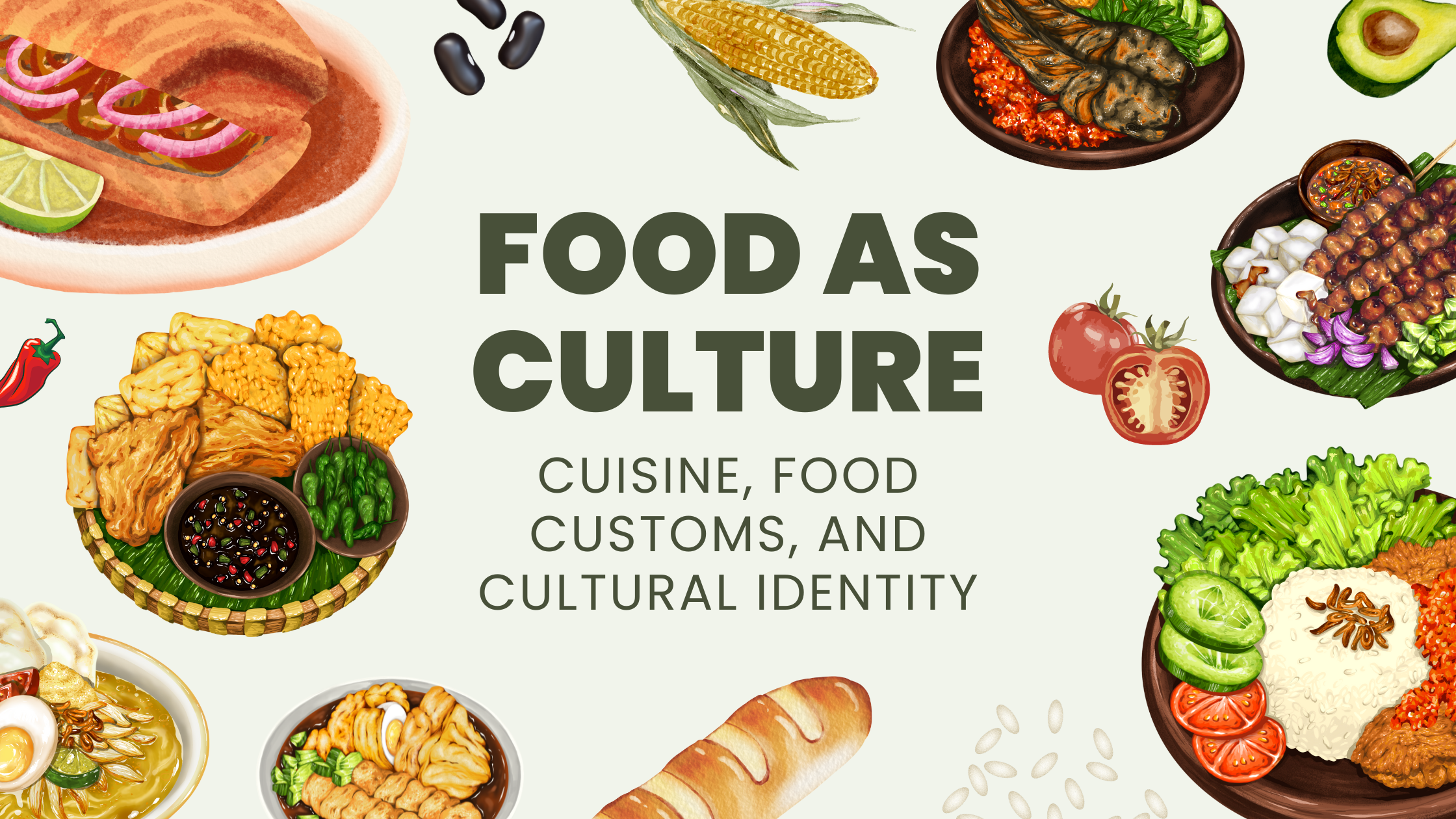
Cultural Palates: The Influence of Food on Identity and Social Power


Hello everyone…..

This blog is part of an assignment for the paper 205: Cultural Studies (22410) , Sem - 3, 2024.


Personal Information: 

Name: Riya M Bhatt. 

Betch: M.A sem 3 (2023-2025)

Enrollment number: 5108230005

Roll number: 24

Email: riyabhatt6900@gmail.com


Assignment details: 

Topic:- Cultural Palates: The Influence of Food on Identity and Social Power

Paper & subject code:- 205: Cultural Studies (22410) 

Submitted to:- Smt. Sujata Binoy Gardi, Department of English, MKBU, Bhavnagar 

Date of Submission:- 18 November , 2024


Abstract: 

This paper examines the role of food culture as a significant aspect of cultural studies, focusing on how food serves as an essential symbol of identity, power, tradition, and social change. By delving into the historical and social meanings attached to food practices, the paper demonstrates how food functions not merely as sustenance but as a powerful medium through which social norms, values, and power structures are communicated and contested. The analysis extends to exploring the ways in which food culture reflects social hierarchies, acts as a form of resistance against cultural homogenization, and adapts to the shifting tides of globalization. Through theoretical perspectives and real-world examples, this study underscores food's dynamic role in both maintaining cultural heritage and fostering intercultural dialogue. The research aims to deepen the understanding of food as a lens through which cultural practices are understood and redefined in an interconnected world.


Introduction:

Food is more than sustenance; it is a vital cultural artifact that encapsulates the history, beliefs, and social values of societies. Across different cultures, the ways in which food is prepared, consumed, and shared carry deep symbolic meanings that connect people to their traditions and roots. From sacred rituals to daily meals, food practices are imbued with layers of identity, marking distinctions in ethnicity, class, and heritage. As such, food operates as a rich and dynamic text that reflects the collective consciousness of a community and signifies broader social structures and power dynamics.

Cultural studies, with its interdisciplinary approach, seeks to illuminate these intersections where ordinary practices, such as eating, unveil complex cultural narratives and societal hierarchies. Through this lens, food culture is not only a medium of identity expression but also a battleground where power is negotiated and social norms are both upheld and challenged. Whether through the selective adoption of foreign cuisines, the appropriation of traditional foods by dominant cultures, or the emergence of fusion cuisine as a symbol of globalization, food encapsulates stories of resistance, adaptation, and cultural resilience. Furthermore, the study of food culture opens pathways to understanding socio-economic structures within society. It highlights how access to certain foods can signify wealth or scarcity, how food deserts perpetuate inequality, and how culinary traditions evolve under economic pressures and globalization. The examination of food practices reveals a microcosm of larger socio-political discourses, providing insight into the collective identity of a people and their navigation of the global landscape.

This paper aims to explore how food culture functions as an entry point for understanding identity formation, power relations, and the impact of socio-economic structures on cultural practices. By analyzing the historical, social, and theoretical underpinnings of food within the framework of cultural studies, this research seeks to illuminate the multifaceted ways in which food culture intersects with societal values, contributing to an enriched understanding of culture and identity in an interconnected world.


Food Culture as an Expression of Identity:

Food is intricately tied to the identity of individuals and societies, serving as a vivid reflection of their heritage, beliefs, and communal values. The culinary traditions practiced across different cultures signify more than just eating habits; they convey stories, preserve memories, and affirm belonging. In this section, we will explore how food culture acts as a powerful medium for expressing national, ethnic, and social identities, as well as its significance in rituals and ceremonies.


1. National and Regional Identity: National dishes often become synonymous with the identity of a country, symbolizing its historical and cultural fabric. The preparation and consumption of these dishes evoke a shared sense of belonging, fostering a collective national identity. For instance, kimchi in Korea is not merely a food item; it represents resilience and the preservation of tradition in the face of historical challenges. Similarly, paella in Spain embodies the regional pride of Valencia and is emblematic of Spanish cuisine as a whole, showcasing a mix of influences from Moorish and Roman heritage.

Such dishes serve as cultural touchstones, differentiating one nation from another and reinforcing the unique aspects of a country’s traditions. These foods become symbols in times of celebration, resistance, and social gathering, solidifying their place as markers of regional pride and national unity.

2. Ethnic and Social Identity: Traditional foods play a crucial role in reinforcing cultural ties within communities, acting as vessels through which cultural knowledge and identity are passed down generations. For many diasporic and indigenous communities, maintaining traditional recipes and food preparation techniques is a form of resistance against cultural erasure and a way to stay connected with their heritage. For example, the use of soul food in African American communities goes beyond culinary enjoyment; it embodies the resilience and history of a people who navigated centuries of oppression and struggle, drawing strength from shared experiences and traditions.

In diverse societies, ethnic foods help to maintain social bonds and nurture the identity of groups that might otherwise be marginalized or assimilated into the dominant culture. These foods can serve as a celebration of diversity or, at times, a source of division, revealing social and ethnic stratifications based on culinary preferences and access to traditional ingredients.

3. Rituals and Symbolism: The symbolic role of food in rituals and ceremonies highlights its cultural significance beyond nutrition. Throughout the world, food is a key element in religious and cultural festivities, marking events with symbolic meanings that reinforce cultural continuity. For example, in the United States, Thanksgiving is celebrated with a feast of turkey and seasonal dishes, serving as a reminder of the historical narrative of settlers and native peoples and embodying themes of gratitude and community. In India, Diwali, the festival of lights, is incomplete without an array of traditional sweets, which symbolize prosperity, joy, and the victory of light over darkness.

These ritualistic aspects of food demonstrate its power to strengthen community ties and preserve traditions. The preparation and sharing of food during significant life events, such as weddings, funerals, or coming-of-age ceremonies, are imbued with cultural values that transcend generations. Through these practices, food becomes an anchor for collective memory and an essential element of identity reinforcement.


Food as a Symbol of Power and Class:

Food is not only a cultural marker but also a significant indicator of power structures and class distinctions within societies. The distribution, accessibility, and representation of certain foods often reveal underlying economic and social inequalities. This section examines how food culture intersects with issues of power and class through economic disparities, culinary colonialism, and the impact of food policies and global trade.


1. Economic Disparities: Access to food is one of the most visible ways in which economic disparities manifest in society. The availability and consumption of certain foods often serve as indicators of wealth and social status. For instance, high-end ingredients such as truffles, saffron, and caviar are symbols of affluence and are associated with elite culinary experiences. Conversely, staple foods that are inexpensive and widely accessible are often linked to lower socio-economic classes. These associations create a hierarchy within food culture that reinforces social stratification.

The presence of food deserts, areas where affordable and nutritious food is hard to access, is a stark example of how economic inequality affects food availability. In many urban and rural areas, low-income communities often have limited options, leading to reliance on processed or fast food. This disparity not only impacts health outcomes but also perpetuates social divides, as the ability to consume high-quality, fresh foods becomes a privilege reserved for those with greater economic means.

2. Culinary Colonialism: Culinary colonialism refers to the appropriation of traditional foods by dominant cultures, often stripping them of their cultural significance and rebranding them for profit. This process can dilute the authenticity and meaning behind these foods, marginalizing the original creators while benefiting those in power. For example, indigenous and traditional dishes like tacos, sushi, or pho can be transformed into trendy, commodified versions that cater to global markets, losing their cultural roots and context in the process.

This form of cultural dominance not only alters the perception of traditional dishes but also raises questions about ownership and authenticity. When dominant cultures capitalize on ethnic foods without acknowledging or compensating their origins, it reinforces colonial patterns of exploitation and power imbalance. Such practices can lead to a loss of cultural identity for marginalized communities and perpetuate socio-economic inequality.

3. Food Policies and Global Trade: Food policies and global trade agreements play a significant role in shaping which food practices thrive and which suffer, often reflecting broader inequalities in global power structures. Trade regulations, subsidies, and agricultural policies can disproportionately benefit wealthy nations or corporations, undermining the food sovereignty of less affluent countries. For instance, the importation of cheap, subsidized food products into developing nations can displace local farmers and traditional food practices, leading to dependency on foreign imports and economic instability.

These policies can also affect the types of crops that are prioritized for growth, impacting food diversity and cultural practices. In many cases, global trade favors cash crops that cater to international markets over local, culturally significant produce. This prioritization not only affects food security but also erodes cultural food traditions, reducing the resilience of local food systems and increasing vulnerability to economic exploitation.

Food has thus become both a symbol and a tool of power, wielded by those who control its distribution and representation. Through examining economic disparities, culinary colonialism, and the implications of food policies, we can better understand how food culture is intertwined with the dynamics of class and power, reflecting broader socio-political issues that extend beyond the dinner table.


Resistance and Hybridization in Food Practices:

As globalization and cultural exchange continue to influence societies worldwide, food practices emerge as dynamic sites of both resistance and adaptation. While some food traditions evolve to reflect new cultural exchanges, others push back against homogenizing forces to preserve and honor their roots. This section explores the phenomenon of fusion cuisine, the resistance to globalization through movements like slow food, and the ways immigrant communities adapt their culinary practices in new cultural contexts while maintaining their heritage.

1. Fusion Cuisine and Cultural Exchange: Fusion cuisine embodies the blending of different culinary traditions to create new and innovative dishes that reflect cross-cultural interactions. This form of hybridization can result from historical events, such as colonization and trade, or modern global connectivity. For instance, Korean tacos, a fusion of traditional Korean flavors with Mexican-style street food, originated in the U.S. and exemplifies how immigrant communities merge their cultural heritage with local influences. Similarly, dishes like sushi burritos and Tex-Mex cuisine demonstrate the creative amalgamation of diverse food traditions that cater to contemporary tastes.

While fusion cuisine can symbolize cultural exchange and global interconnectedness, it also raises questions about authenticity and appropriation. The blending of culinary traditions should ideally involve respect and acknowledgment of the original cultures, rather than reducing them to market trends or commodified versions devoid of context.

2. Resistance to Globalization: As global chains and fast-food culture expand, some movements have emerged to resist the erosion of local food traditions. The slow-food movement, which originated in Italy in the late 1980s, advocates for the preservation of regional cuisine and sustainable farming practices. This movement opposes the uniformity and speed associated with globalized fast-food industries, emphasizing the importance of traditional recipes, quality ingredients, and the cultural significance of meal preparation and sharing.

The slow-food philosophy promotes values such as community, connection to local producers, and the celebration of diverse food cultures that are at risk of being lost to homogenizing forces. By focusing on local traditions and seasonal ingredients, the movement highlights the importance of food as part of a cultural heritage that should be preserved and cherished rather than replaced by convenience.

3. Cultural Adaptation: Immigrant communities often face the challenge of adapting their food traditions in a new cultural setting. This adaptation process involves blending their culinary practices with locally available ingredients and integrating elements from their new environment, creating dishes that retain the essence of their culture while incorporating novel influences. For instance, Chinese-American cuisine features dishes like chop suey and General Tso’s chicken, which do not exist in traditional Chinese menus but have become emblematic of the Chinese immigrant experience in the United States.


These adaptations serve as a testament to resilience, as they allow immigrant communities to maintain their cultural identity and create a sense of home despite external pressures to assimilate. They also contribute to the broader food landscape, enriching it with diverse flavors and stories that celebrate multiculturalism. The evolution of traditional dishes in this context becomes an act of cultural preservation and assertion, allowing individuals to hold onto their heritage while navigating new socio-cultural realities.


Food Culture in the Era of Globalization:

Globalization has significantly influenced the ways in which food is produced, distributed, and consumed, leading to new interactions between local and global food cultures. This transformation has brought about both opportunities for cultural exchange and challenges to cultural preservation. This section delves into the concepts of homogenization versus glocalization, the role of media representation and culinary tourism, and the impact of social media and food trends on modern food culture.


1. Homogenization vs. Glocalization: One of the most prominent effects of globalization is the homogenization of food culture, where global brands and standardized menus often overshadow traditional, local food practices. The spread of multinational fast-food chains such as McDonald’s and Starbucks exemplifies this trend, offering familiar products across the world and contributing to a sense of uniformity. This can lead to the decline of local cuisines as convenience and globalized tastes take precedence, creating a monoculture of food consumption.

However, alongside this homogenization is the counter-trend of glocalization, where global brands adapt their products to cater to local tastes and cultural preferences. For example, McDonald’s in India offers a McAloo Tikki burger, which aligns with local vegetarian traditions, while in Japan, they feature teriyaki burgers that reflect Japanese flavor profiles. This blend of global presence with local adaptation allows for cultural nuances to be retained, offering a complex dynamic where global and local elements coexist and influence one another.

2. Media Representation and Culinary Tourism: The media has a profound impact on shaping perceptions of food culture, with food blogs, documentaries, and culinary shows playing significant roles in popularizing and sometimes exoticizing global cuisines. Programs such as Anthony Bourdain’s Parts Unknown or Netflix’s Chef’s Table not only introduce audiences to diverse culinary traditions but also explore the stories and histories behind them. These representations can create a sense of curiosity and appreciation for global food cultures, encouraging culinary tourism and fostering a deeper understanding of cultural contexts.

However, media representation can also commodify and simplify complex food traditions, presenting them as spectacles rather than integral aspects of cultural identity. The risk lies in turning authentic cultural practices into consumable experiences that prioritize entertainment over genuine cultural exchange, often benefiting external entities more than the local communities depicted.

3. Social Media and Food Trends: The rise of digital platforms has revolutionized the way food is experienced, shared, and popularized. Instagram, TikTok, and YouTube have become major influencers in setting food trends, with viral recipes and food challenges reaching millions globally in a matter of days. Foods such as dalgona coffee or the resurgence of interest in traditional sourdough baking during the COVID-19 pandemic illustrate how social media can rapidly shift food culture and create a global community around shared experiences.

Social media’s impact on food culture can be both positive and negative. On one hand, it democratizes access to diverse culinary knowledge and allows underrepresented food traditions to gain visibility. On the other hand, it can lead to the oversimplification or distortion of cultural foods, prioritizing aesthetics and novelty over authenticity. For instance, dishes might be altered to make them more visually appealing or align with current trends, potentially eroding their original significance.

These digital platforms also fuel consumerism, as trends often spark a demand for specific ingredients, tools, or dining experiences, contributing to a cycle where food becomes more about spectacle than sustenance or cultural value.


Theoretical Perspectives in Cultural Studies on Food:

The study of food within cultural studies is enriched by applying theoretical perspectives that provide deeper insights into how food practices reflect and shape social structures, power dynamics, and identity formation. This section will explore Pierre Bourdieu’s concept of distinction, Michel Foucault’s views on power and social control, and Stuart Hall’s theory of cultural identity to understand food’s multifaceted role in society.

1. Pierre Bourdieu’s Distinction: Understanding How Taste in Food Acts as a Social Differentiator: Pierre Bourdieu’s seminal work Distinction: A Social Critique of the Judgement of Taste emphasizes that cultural consumption, including food, is a key indicator of social class. Bourdieu argues that taste is not purely individual or natural but is shaped by one’s cultural capital and social position. In the context of food, preferences for certain dishes, ingredients, or dining experiences can signal social status. For instance, fine dining and gourmet foods such as truffle-infused dishes or artisanal cheeses are often associated with the upper classes due to their cost and perceived sophistication. Conversely, staple and inexpensive foods can signify lower socio-economic positions.

Bourdieu’s theory explains how food acts as a tool for social differentiation, reinforcing class boundaries. Taste preferences are cultivated through upbringing and education, meaning that what people find desirable in food reflects their habitus, or the ingrained habits and dispositions formed by their socio-economic environment. This perspective highlights how food choices are deeply interwoven with identity and power, as they can either include or exclude individuals from certain social groups.

2. Michel Foucault’s Power Dynamics: The Regulation of Diets and Food Practices as a Reflection of Power and Social Control: Michel Foucault’s analysis of power and its manifestations in everyday practices provides a compelling framework for understanding how food and dietary norms are regulated within society. Foucault posits that power is pervasive and operates through various mechanisms that control and influence behavior. In terms of food culture, these mechanisms can be seen in the way societies dictate what is deemed healthy, moral, or acceptable to eat.

Public health campaigns, government food regulations, and even religious dietary laws are examples of how power exerts influence over individuals’ eating habits. For instance, the emphasis on nutritional guidelines and food pyramid models reflects broader societal efforts to regulate the body and promote a particular vision of health that aligns with state interests. Foucault’s notion of biopower—the regulation of bodies through social and political means—can be applied to food practices to show how they reinforce control, discipline, and conformity.

This regulation can also manifest in the stigmatization of certain food choices. For example, the demonization of fast food and the valorization of organic or local produce not only shape public perception but also subtly enforce class distinctions and societal expectations.

3. Stuart Hall’s Cultural Identity Theory: Food as a Dynamic Part of Identity Construction and Cultural Interaction: Stuart Hall’s theories on cultural identity provide valuable insights into how food functions as an evolving component of identity and cultural interaction. Hall argues that cultural identity is not fixed but rather constructed and reconstructed through interactions, practices, and representations. Food culture plays a central role in this dynamic process, acting as a medium through which individuals and communities express their heritage, negotiate their place within society, and adapt to changing contexts.

For example, in multicultural societies, the fusion of different food traditions illustrates Hall’s idea of cultural hybridity, where new, composite identities emerge from the blending of distinct cultural elements. Immigrant communities often use food as a way to maintain their cultural roots while simultaneously engaging with the dominant culture. The creation of hybrid dishes such as curry pizza or kimchi tacos reflects this negotiation of identity, showcasing food’s ability to both preserve tradition and facilitate cultural exchange.

Hall’s framework also highlights how food can become a site of resistance and empowerment. For marginalized communities, reclaiming traditional food practices or promoting their cuisine within the mainstream can serve as acts of identity assertion and cultural pride, countering stereotypes and fostering a sense of belonging.


Conclusion:

Food culture offers a unique and rich perspective for examining cultural interactions, power structures, and identity formation. As societies become increasingly interconnected through globalization, the nuanced understanding of food practices becomes even more vital. Food acts as a mirror, reflecting social hierarchies, economic disparities, and the interplay of power within and across cultures. It embodies identity through national and regional dishes, underscores social distinctions as theorized by Pierre Bourdieu, and reveals the regulation of behavior and norms as discussed by Michel Foucault.

In a globalized context, the balance between homogenization and glocalization showcases the resilience of cultural identity amid the influence of dominant global forces. The adaptation and hybridization of food practices, from fusion cuisine to the preservation of traditional dishes in immigrant communities, highlight the ongoing negotiation of cultural identity. Stuart Hall’s theories of cultural identity illustrate that food is not static but dynamic, evolving as individuals and communities engage in cultural exchange and redefine their practices. Media, culinary tourism, and social media trends have further amplified food’s role as a cultural ambassador, spreading both appreciation and commodification of diverse cuisines. However, these platforms must navigate the line between representation and appropriation, ensuring cultural respect and authenticity are preserved.

Ultimately, understanding food practices in cultural studies provides a lens to preserve cultural diversity and address the complexities of cultural exchange. It affirms that food is more than nourishment—it is an integral part of cultural expression, resistance, and continuity, holding the power to connect people while fostering awareness and appreciation for the depth of human experience across borders.

References : 

Freeman, susan tax. “Culturing Food.” Gastronomica, vol. 6, no. 4, 2006, pp. 99–107. JSTOR, https://doi.org/10.1525/gfc.2006.6.4.99. Accessed 10 Nov. 2024.

Jones, Michael Owen. “Food Choice, Symbolism, and Identity: Bread-and-Butter Issues for Folkloristics and Nutrition Studies (American Folklore Society Presidential Address, October 2005).” The Journal of American Folklore, vol. 120, no. 476, 2007, pp. 129–77. JSTOR, http://www.jstor.org/stable/4137687. Accessed 10 Nov. 2024.

Joseph, Norma Baumel. “Introduction: Feeding an Identity-Gender, Food, and Survival.” Nashim: A Journal of Jewish Women’s Studies & Gender Issues, no. 5, 2002, pp. 7–13. JSTOR, http://www.jstor.org/stable/40326550. Accessed 10 Nov. 2024.

Riemer, Andrew. “Hybridity: Making a Meal of Multiculturalism.” AQ: Australian Quarterly, vol. 71, no. 2, 1999, pp. 6–10. JSTOR, https://doi.org/10.2307/20637804. Accessed 10 Nov. 2024.

Ulrich, Katherine E. “Food Fights.” History of Religions, vol. 46, no. 3, 2007, pp. 228–61. JSTOR, https://doi.org/10.1086/513255. Accessed 10 Nov. 2024.

Thank you for reading.

Have a great time.

Assignment : 209: Research Methodology

  Plagiarism in the Modern Age: Definitions, Forms, Consequences, Detection, and Prevention Personal Details:- Name: Riya Bhatt Batch: M.A...